
Thermo Fisher Scientific
5 opportunities
Australia
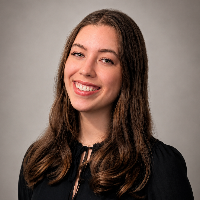
Phoebe
2026 Leadership Graduate
Bachelor of Science & Biomedical Science
What is one thing you've learned or developed since starting the Graduate Program?
One of the biggest things I've developed since starting the Graduate Program is the ability to be agile. Working in a finance rotation at a large global organisation has shown me how dynamic the business can be. While there are recurring day-to-day responsibilities, priorities naturally evolve as the organisation innovates, grows, and moves through different business cycles.
I've learned that being successful isn't about having every answer - it's about adapting, staying curious, and embracing change with confidence. Developing that mindset has helped me navigate complexity, collaborate more effectively, and continue growing, even when plans don't go exactly as expected.
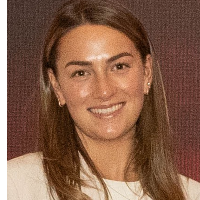
Grace
2026 Leadership Graduate
Bachelor of Science, Neuroscience
What has been your favourite experience during your first six months?
One of my favourite experiences during my first six months was attending the BioMelbourne Network Women’s Lunch through our Women's Employee Business Resource Group (WEBRG).
As a co-lead of WEBRG , it was especially meaningful to be part of the event. It was an incredible opportunity to connect with like-minded people across the life sciences industry who are passionate about making a positive impact through science and healthcare. Hearing about their experiences and building new connections was incredibly refreshing and motivating, and it's an experience I'm very grateful to have been part of.
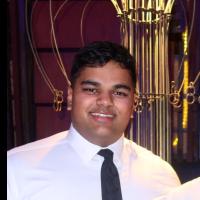
Yas
2025 Leadership Graduate
Bachelor of Science
Tell us about your experience with the Leadership Program and what it involves?
The Thermo Fisher Scientific ANZ Leadership Program has been an incredibly rewarding experience, giving me the opportunity to rotate through Product & Portfolio Management, Sales, and Finance. Each rotation has provided a unique perspective on the business and helped me understand how different commercial teams work together to support our customers and advance scientific research.
One of the highlights of the program has been the exposure to business leaders across the organisation. Learning from their experience and seeing how they approach challenges has been invaluable to my own development.
Coming from a science background, it's been exciting to apply my degree in a commercial environment and better understand how we can support scientists in an evolving world. The combination of meaningful work, mentorship, and continuous learning has made the program an outstanding foundation for my career.
What development opportunities are available to you throughout the program?
I've developed a stronger understanding of how commercial relationships and business strategy come together to deliver value. I've also gained valuable industry insights, strengthened my technical scientific knowledge by working closely with innovative products and technologies, and built practical project management skills by leading and contributing to cross-functional initiatives. These experiences have challenged me to think strategically, communicate effectively with a range of stakeholders, and apply my scientific background in a way that supports scientific discovery and customer success.
The combination of structured learning and real-world experience has provided a strong foundation for my continued growth and future career at Thermo Fisher Scientific.
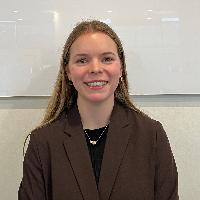
Lucy
2025 Leadership Graduate
Bachelor of Science
Tell us about your experience with the Leadership Program and what it involved!
I have had rotations in marketing, finance and product management, giving me a broad exposure to the business. In addition, I have led and contributed to many other business initiatives, including our Corporate Social Responsibility program. The Leadership program is a great opportunity to take on responsibility, gain mentorship and gain a range of business expertise.
What are some of the perks and benefits of working at Thermo Fisher?
I think one of the biggest perks of working at Thermo Fisher in the graduate program is gaining diverse experience and meeting a wide range of colleagues in the business. Graduates are trusted with meaningful projects, which results in exposure across the business. I am very grateful to have had the unique opportunity of being in the program.
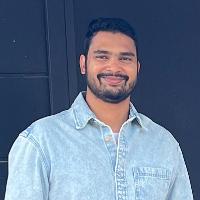
Asindu
Field Service Engineer | 2023 Leadership Graduate Alumni
Bachelor of Science
Tell us about your experience with the Leadership Program and what it involves?
The Leadership Program involved rotating through three 8-month roles over two years. My first role was as a Financial Planning and Analysis business partner for the Specialty Diagnostics and Analytical Instruments Groups. This challenging position pushed me out of my comfort zone and helped me develop financial acumen while gaining commercial insights. Next, I became an Associate Product Manager with the Third-Party Lab Consumables team, where I learned to manage key stakeholders and oversee the product lifecycle. My final rotation was with the Service (Engineering) division, focusing on optimising our service delivery process. Additionally, we were encouraged to take leadership roles in social clubs within the company, further expanding our leadership, people management, and organisational skills.
How has the graduate program supported you in launching your career?
The graduate program significantly advanced my career by offering diverse experiences and skill development. It enabled me to build professional relationships and immerse myself in the MedTech industry. The blend of technical and soft skills I gained has been invaluable in addressing complex challenges and contributing to healthcare advancements. These experiences were crucial in my current role as a Field Engineer for the Parkville Health Precinct, specialising in Life Science and Specialty Diagnostic instruments. The program facilitated a natural transition into this role, where I now witness firsthand how medical technologies improve health outcomes daily.
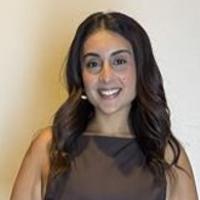
Kanal
Senior Service Sales Specialist | 2023 Leadership Graduate Alumni
Bachelor of Biomedical Sciences and Business
Tell us about your experience with the Leadership Program and what it involves?
The ANZ Graduate Leadership Program gave me the opportunity to rotate through three different functions—Product Management, Sales and Finance, which provided a well-rounded understanding of how the business operates. Each rotation offered unique learning experiences, from managing product portfolios and collaborating with cross-functional teams, to building customer relationships in Sales and developing commercial insights through Financial Planning & Analysis.
One of the biggest highlights of the program was the exposure to different teams and leaders across the organisation. It challenged me to adapt quickly, build strong relationships and develop both my commercial and leadership skills while contributing to meaningful projects.
The program helped me discover my passion for customer-facing roles and gave me the confidence to pursue a career in Service Sales. Looking back, the breadth of experience and support I received through each rotation laid a strong foundation for my career and continues to influence how I work today.
How has Thermo Fisher Scientific supported your personal growth?
Thermo Fisher Scientific has supported my personal growth by giving me the opportunity to develop a broad range of commercial, strategic and leadership skills throughout my career. The Graduate Leadership Program exposed me to different areas of the business, helping me understand how each function works together to deliver value for customers and drive business performance.
Through these experiences, I developed skills in consultative selling, strategic account management, stakeholder engagement and commercial decision-making. Just as importantly, I learnt how to build long-term customer relationships, identify opportunities to create value and collaborate across teams to deliver the best outcomes.
Since moving into my current role as a Senior Service Sales Specialist, I've been able to put these skills into practice by partnering with customers to develop tailored service strategies that support their long-term operational goals. The trust and support I've received from leaders and colleagues has given me the confidence to continue growing my career while making a meaningful contribution to both our customers and the business.
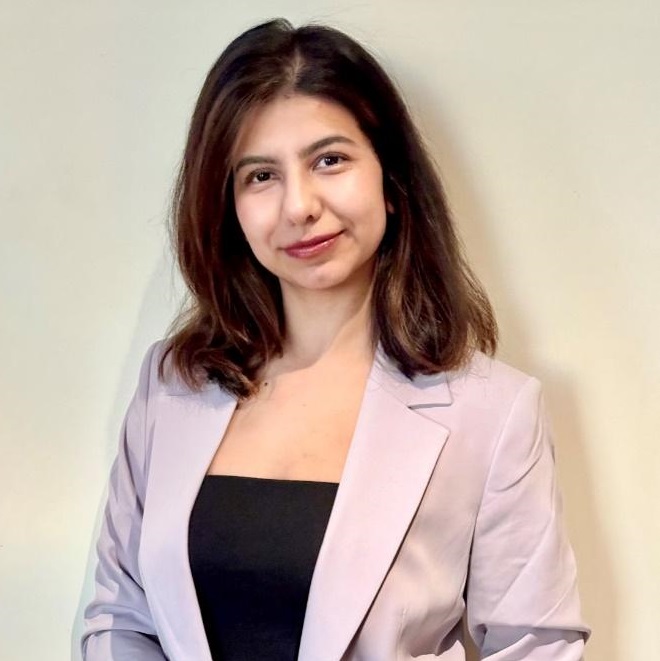
Zarin
Clinical Research Associate
How does Thermo Fisher promote continuous learning and development?
Thermo Fisher is really dedicated to helping employees grow and develop their careers. They offer a Clinical Foundation Program that includes both instructor-led and self-learning options, giving deep insights into their Standard Operating Procedures (SOPs). They also have various soft-skills development trainings and role-specific department training, which are key for career advancement. Collaboration is a big part of the company culture, with teams regularly brainstorming, sharing ideas, and exchanging knowledge. I've been lucky to participate in monthly departmental meetings, Clinical Research Associate (CRA) forums, and networking events. It's been really fulfilling to see Thermo Fisher win the 'Pharmatimes Clinical Researcher competition' and hear inspiring stories from colleagues that motivate everyone.
What opportunities have you had for professional growth at Thermo Fisher?
Diversity and Inclusion are core values here, and they really help build trust and empathy. Starting my first role as a Clinical Trial Coordinator during COVID was pretty daunting, but the strong sense of teamwork made me feel like I belonged. As a new employee, I went through an extensive induction program and was assigned a mentor. Regular check-ins with my line managers helped me understand the growth opportunities at Thermo Fisher. I've had the chance to observe remote and onsite visits, and attending client and investigator meetings both in and outside of Australia has helped me get involved with cross-functional teams. I've been moving on to more complex studies and developing the skills I need. Recently, I even got to take on a leading role in APAC, supporting the Clinical Team Manager (CTM) during their leave. This gave me a better understanding of project management.

Silvie
Clinical Research Associate II
How long have you been with Thermo Fisher and what has kept you here?
I've been with PPD, part of Thermo Fisher, for the past three years. I started as a Clinical Trial Coordinator Local (CTC-L) and moved up to a Clinical Research Associate (CRA). The mix of challenging work, continuous growth opportunities, and a positive workplace environment has kept me engaged. Managing complex and fast-recruiting studies with tight deadlines and finding innovative solutions to day-to-day problems has pushed me to keep improving. The company's commitment to learning and growth, with tailored training programs and support systems like work buddies, has helped me deepen my industry knowledge and take on more responsibilities. Working with supportive colleagues and effective leadership in a place where ideas flourish and teamwork is valued has been crucial to my job satisfaction.
What career paths do people take after working in this role? What career path did you take?
Being a CRA opens up a lot of career opportunities that can fit different life stages and interests. You can move up to become a Senior or Principal CRA, a Clinical Team Manager, or even a People Manager. I chose the path to become a CRA and eventually a Principal CRA. There are plenty of opportunities to travel and get onsite experience while still having the flexibility to work remotely. Building strong customer relationships has let me see the impact of my contributions firsthand, giving me a sense of purpose and fulfillment as I advance in a career that aligns with my passion for enhancing patient care.
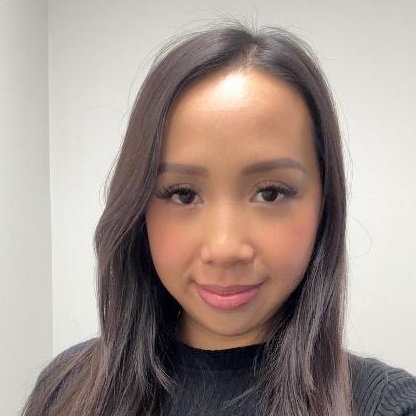
Christy
Clinical Research Associate
How has your career progressed from starting as a Clinical Trial Coordinator (CTC)?
I started in the CTC role, where I provided administrative support to my project teams. It was here that I built my first-ever Investigator Site File and gained significant knowledge of essential documents.
Moving to the Assistant Clinical Research Associate (ACRA) role, I took on more responsibilities by becoming the primary point of contact for my sites, handling all aspects of in-house site management, from site management calls to remote training sessions.
I then transitioned to the Clinical Research Associate role, where I conducted onsite visits, ensured protocol adherence, and maintained data integrity.
Now, I’m a more experienced CRA, I continue to refine my skills as a monitor, handling more complex trials in different therapeutic areas.
What development opportunities were available to you throughout your career?
I’ve been fortunate to have a variety of development opportunities that have contributed to my career progression.
As a CTC/ACRA, I participated in the ACE-Program which was a mix of self-lead trainings, training workshops and quizzes.
Prior to transitioning to the CRA role, I also completed the Clinical Foundation Program and CRA Academy which builds on clinical research industry experience and enables effective monitoring of clinical studies.